If there is one thing property owners, developers, and project managers are paying attention to in 2026, it is this: building smarter matters just as much as building faster. Across the state, more people are looking for construction solutions that make sense not only for today’s schedule and budget, but also for long-term durability, flexibility, and performance.
That is exactly why Texas construction is leaning harder into metal-based systems this year.
It is not just about using steel because it is strong. It is about creating projects that are easier to plan, more efficient to execute, and better prepared for the real demands of commercial and industrial use. In a market where timelines are tight and expectations are high, smart builds are the ones that reduce friction from the start.
For a company like Rincon Iron Works LLC, that shift is especially relevant. Clients are no longer impressed by complicated construction for the sake of looking impressive. They want buildings and structural solutions that work hard, last longer, and make the entire process feel more organized. That is where metal comes in.
Why Smarter Building Is the Real Trend in 2026
For a while, the conversation around construction focused mostly on speed. And yes, speed still matters. Nobody wants a project dragging out longer than necessary. But in 2026, owners are asking better questions. They want to know how a structure will perform, how adaptable it will be, and whether the chosen system will create problems later.
That change in mindset is pushing the industry toward more practical and predictable building methods.
Smart construction is really about reducing waste, minimizing jobsite surprises, improving coordination, and using materials that support long-term value. It is about making decisions earlier, with more clarity, so fewer issues show up in the middle of the project.
That approach is especially important in Texas, where projects often need to handle demanding use, changing weather conditions, expanding operations, and future modifications. Whether the building is designed for storage, production, distribution, equipment use, or mixed commercial functions, durability is no longer optional. It is expected.
Why Metal Is Getting So Much Attention
Metal has always played an important role in construction, but now it is becoming central to how many projects are planned from day one. That is because steel and fabricated metal components solve several challenges at once.
They support strength. They allow for cleaner customization. They can speed up installation when planning is done properly. And they help create structures that are functional without feeling overbuilt or inefficient.
More importantly, metal gives project teams room to think ahead. Instead of forcing a design into a rigid set of limitations, fabricated components can be tailored to the exact needs of the site and the intended use of the building.
That flexibility is one of the biggest reasons so many owners are moving away from one-size-fits-all construction thinking.
The Value of Precision in Modern Projects
One of the biggest problems on any job is misalignment between the plan and what actually happens in the field. That gap is where schedules start slipping, extra labor appears, and confidence drops.
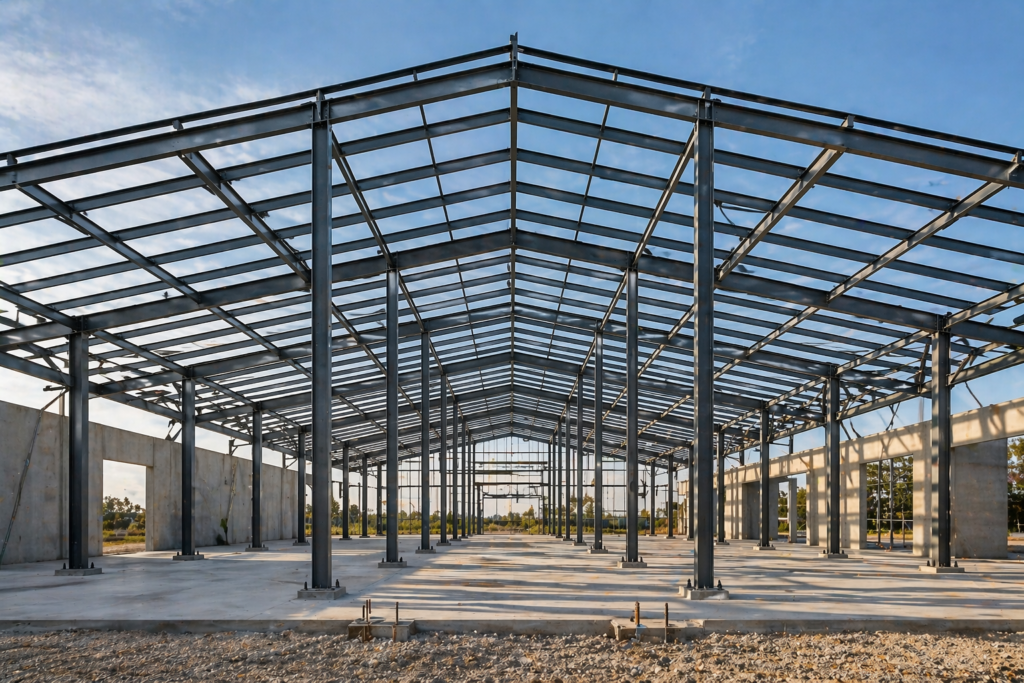
This is why precision matters so much now. When a project includes custom structural pieces, frames, supports, platforms, access features, or other specialized components, it helps tremendously to have those parts designed and prepared with real accuracy. That is where metal fabrication services add serious value.
Instead of trying to force standard materials into a space they were never really designed for, fabrication allows the work to respond to the project itself. That leads to cleaner installation, fewer adjustments on site, and a much more controlled process overall.
It also makes a difference in the finished product. A project tends to look better when the components actually fit the design and the purpose behind it. You can feel the difference between something that was thought through and something that was improvised halfway through the build.
Strong Structures Start with Better Planning
The strongest projects are usually not the ones with the most material. They are the ones with the clearest planning.
That may sound simple, but it matters. A lot of expensive issues in construction do not happen because the material failed. They happen because coordination failed. The structure might be solid, but if the planning was rushed, the project can still end up with delays, redesigns, awkward modifications, or inefficient use of space.
When structural systems are approached with intention, the entire project benefits.
This is exactly why steel structure fabrication has become such a valuable part of smarter builds. It allows teams to think beyond the basic shell and focus on how the building will actually function in the real world. The goal is not just to create a standing structure. The goal is to create one that supports operations, movement, access, safety, and future flexibility without unnecessary complications.
That kind of planning pays off in several ways:
- Better alignment between design and installation
- More efficient use of space
- Cleaner workflow during construction
- Improved structural consistency
- Easier integration of custom features
- Greater confidence in long-term performance
When a project is built around these principles, it tends to run smoother from beginning to end.
Why This Matters So Much in Texas
Texas is not a market where weak planning stays hidden for long. Projects here often move at a pace that exposes inefficiency quickly. If a team is disorganized, if materials are not prepared properly, or if the structure was not planned with actual use in mind, it shows up fast.
That is part of why metal-based systems are becoming such a natural fit across the state. Owners want buildings that can support growth. They want layouts that make operational sense. They want durable materials, strong structural performance, and a process that does not turn into constant troubleshooting. Metal and steel solutions align with that mindset because they combine strength with flexibility.
That combination matters in projects like:
- Warehouses and storage facilities
- Workshops and service buildings
- Equipment housing structures
- Distribution-related spaces
- Commercial expansions
- Utility-focused additions
- Multi-use industrial properties
These kinds of builds require more than a basic approach. They need a strategy that supports use, longevity, and practical execution at the same time.
What Clients Are Looking for Now
The average client today is much more aware of how construction decisions affect the final result. They may not use technical language, but they absolutely understand when a project feels well planned versus pieced together.
In 2026, most clients are looking for a few key things:
- A process that feels organized from the start
- Honest communication about schedule and scope
- Materials that make sense for the intended use
- Customization where it actually adds value
- Durability without overcomplication
- A team that can solve issues without creating new ones
That last one is especially important. The right construction partner is not just there to build. They are there to make the project easier to execute and easier to trust.
For Rincon Iron Works LLC, that is a major opportunity. Clients want more than labor. They want clarity, capability, and solutions that are designed around how the structure will actually be used.
Custom Metal Work Is Not Just a Bonus Anymore
There used to be a time when custom metal work was seen as a specialty item, something added only when a project had unusual design demands. That is not really the case now.
Today, custom fabrication is often part of what makes a project truly efficient. It helps teams avoid awkward compromises. It creates better-fitting structural elements. And it allows the building to reflect real-world needs instead of forcing everything into a standard template.
That is a big reason metal-driven construction feels smarter in 2026. It gives project teams more control over the outcome. Instead of reacting to the building once the work starts, they can shape the building more intentionally from the beginning.
That shift changes everything. It improves the pace of the work, the quality of the finished result, and the confidence clients feel throughout the process.
Final Thoughts
The push toward smarter building is not a passing trend. It reflects what owners and project teams truly need right now: stronger planning, more useful customization, better durability, and structures that can keep up with real operational demands.
In a state where projects need to be practical, efficient, and built to last, metal-based solutions are making more sense than ever. They help reduce guesswork, improve coordination, and support better outcomes without making the process more complicated than it needs to be.
For Rincon Iron Works LLC, this is the right moment to show what practical craftsmanship really looks like. When projects are approached with precision, purpose, and a clear understanding of how people actually use a structure, the result is not just a finished build. It is a smarter one.