Retrofit work is having a real moment in Texas. In 2026, a lot of property owners are looking at the spaces they already have and asking a smarter question: “How can we make this building work better without starting from scratch?” That shift is changing the way projects get planned, priced, and executed across the state. Instead of focusing only on new builds, more people are investing in upgrades, conversions, repairs, expansions, and interior improvements that help an existing property do more.
That is exactly why the role of a building contractor looks different now than it did a few years ago.
Today, it is not enough to simply manage labor and keep a rough schedule moving. Retrofit projects need stronger coordination, better communication between trades, and a practical understanding of how one phase affects the next. When walls are being modified, structural elements are being adjusted, and custom metal pieces are being added or repaired, everything has to connect. If it does not, the project starts feeling messy very quickly.
For Rincon Iron Works LLC, this is where the value becomes clear. Owners are not just looking for workers. They are looking for a team that can understand the whole picture and help bring multiple moving parts together in a way that feels organized and efficient.
Why Retrofits Are Becoming a Bigger Priority
There are a few simple reasons retrofit work is gaining traction. First, many owners already have a building in a good location, and improving that structure makes more sense than moving or rebuilding. Second, retrofit projects can often be more strategic because they focus on what the property actually needs right now. And third, businesses and property owners want to get more life, more function, and more flexibility out of the spaces they already control.
That can mean a lot of different things in practice:
- Reworking interior layouts for better flow
- Updating damaged or outdated finishes
- Reinforcing structural areas
- Improving access and usability
- Adding custom metal features
- Preparing older spaces for new operations
- Making a commercial or industrial property more efficient
This is where working with a capable construction company in Texas matters. Retrofit jobs are rarely simple. Even when they look straightforward at first, they usually involve hidden conditions, tight schedules, existing materials, and real-world limitations that do not show up in a clean set of drawings.
That is why experience and coordination matter so much.
Retrofit Projects Are All About Connection Between Trades
One of the biggest mistakes in retrofit work is treating every scope like it exists on its own. On paper, it may look easy to divide work into separate categories. In the field, though, those categories overlap all the time.
A wall adjustment may affect framing, finishing, access points, and metal support needs. A repair to one section of the property may reveal an issue somewhere else. A custom fabricated piece may depend on dimensions that shift once demolition or opening work begins. That is why good retrofit projects rely on teamwork between trades, not isolated handoffs.
When the project includes drywall services, that scope is about much more than just closing walls and making surfaces look smooth. In retrofit work, drywall often plays a major role in restoring continuity after structural adjustments, layout changes, repairs, or utility updates. It helps bring the space back together visually, but it also needs to be aligned with everything that happened before it.
If that coordination is missing, the final result can look patched together instead of intentional.
Why Welding Plays a Bigger Role Than Most People Realize
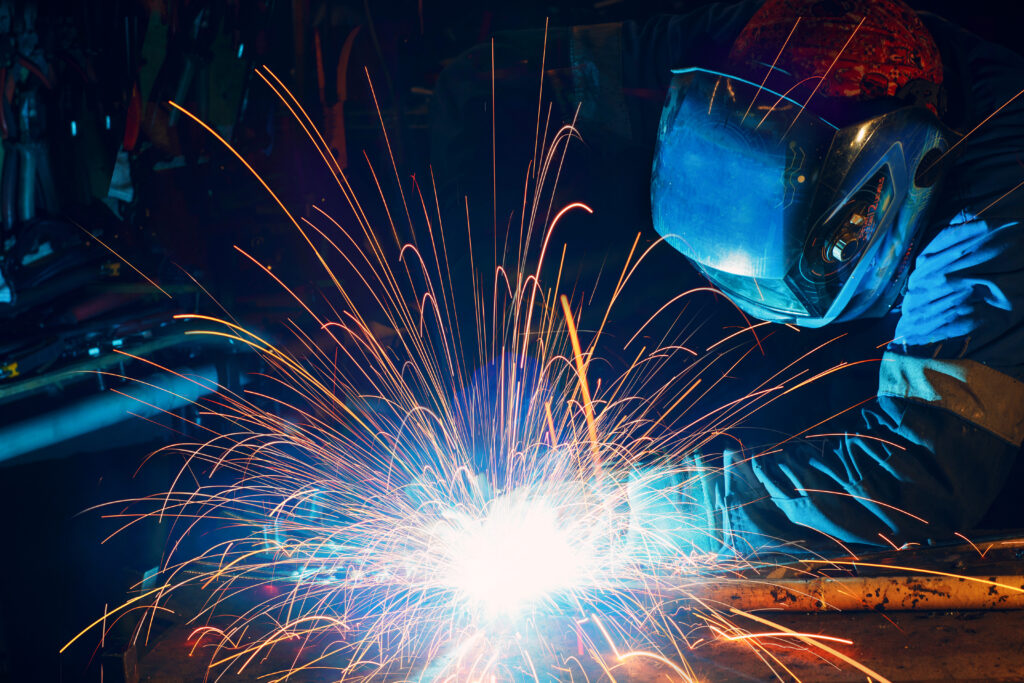
A lot of property owners do not think about metal work right away when planning a retrofit. They usually notice visible finishes first. But once the project starts opening up walls, modifying access, strengthening supports, or adding custom features, metal work becomes much more important. That is where welding services can make a major difference.
In retrofit settings, welding is often part of the solution behind the scenes. It may support reinforcements, repairs, brackets, frames, railings, structural changes, or site-specific modifications that cannot be solved with generic materials. In many cases, it is one of the key trades that allows an older structure to adapt to new demands.
And this is exactly why coordination matters so much. Welding work cannot be treated like a disconnected specialty that shows up late and tries to make everything fit. It works best when it is planned as part of the larger strategy from the beginning.
That approach helps teams avoid common problems like:
- Misaligned components
- Delays caused by late measurements
- Rework after installation conflicts
- Weak transitions between old and new materials
- Last-minute improvisation in the field
A retrofit project tends to go much smoother when the team understands how metal work supports the bigger goal, not just the immediate task.
Fabrication Brings Flexibility to Existing Structures
This is probably one of the most important parts of the conversation.
Existing buildings are rarely perfect. Dimensions can be inconsistent, surfaces may have shifted over time, and older layouts often do not match modern needs. That is why custom solutions matter so much in retrofits. Standard materials and off-the-shelf pieces do not always solve the problem cleanly. That is where iron fabrication becomes especially valuable.
Fabrication gives a project room to respond to real conditions instead of forcing the site into a generic solution. Whether the goal is to create support elements, repair damaged components, add functional features, or build something custom for a very specific area, fabricated metal pieces can help bridge the gap between the original structure and the updated design.
That flexibility is one of the reasons retrofits can be so effective when the right team is involved. Instead of fighting the building, the project starts working with it.
What Property Owners Should Look for in a Retrofit Partner
Retrofit work is not just about technical skill. It is also about mindset. The right contractor needs to be comfortable with complexity, able to adapt when conditions change, and honest about what the project really requires.
If you are evaluating a team for this kind of work, here are a few things worth paying attention to:
- Do they understand how different trades affect each other?
- Can they explain their process clearly without sounding vague?
- Are they realistic about field conditions and possible changes?
- Do they approach custom work with confidence?
- Can they connect structural, finish, and fabrication scopes in one plan?
- Do they seem prepared, or are they just eager to start?
Those details reveal a lot. A good retrofit partner is not the one making the biggest promises. It is the one showing a practical understanding of how to move through the project without creating confusion at every stage.
Why Working Together Creates Better Results
When drywall, welding, and fabrication are treated as connected parts of one strategy, the whole project benefits.
The schedule becomes easier to manage because one phase is not constantly colliding with another. The finish looks better because the earlier work was planned properly. The custom pieces fit better because measurements and sequencing were handled with more care. And the owner gets a smoother experience because the team is communicating instead of reacting.
That matters a lot in retrofit work, especially in Texas, where buildings often need to stay useful, adaptable, and durable in real-world conditions. Owners are not looking for flashy complexity. They are looking for practical improvements that make the property stronger, more functional, and better aligned with current needs.
This is why integrated execution stands out so much in 2026. It creates a project that feels intentional from beginning to end.
Final Thoughts
Retrofit projects are becoming one of the smartest ways to improve a property without taking on the full burden of new construction. But they only work well when the moving parts are actually moving together.
That is the real takeaway. Interior restoration, structural adjustments, custom metal solutions, and field coordination all need to support each other. When they do, the result is cleaner, more efficient, and a lot more reliable.
For Rincon Iron Works LLC, this kind of work reflects what many owners want right now: practical upgrades, stronger planning, and solutions that make existing spaces perform better without overcomplicating the process. In a market like Texas, that kind of thoughtful execution is not just useful. It is becoming essential.