When most people hear the word “residential,” they immediately think of kitchens, bathrooms, room additions, or maybe a full home remodel. And sure, those projects are still part of the picture. But in 2026, property owners in Texas are thinking a lot more broadly than that. A home is no longer just a place to live. For many families, it is also a work zone, a storage hub, a rental opportunity, a hobby space, or part of a larger long-term investment plan.
That shift has changed what clients expect from a contractor.Today, people are looking for someone who understands how to move between comfort and functionality without making the project feel disconnected. They want practical upgrades that still look good. They want useful structures that do not feel temporary. And they want a team that can help them plan spaces that actually match the way they live now, not the way homes were used ten or fifteen years ago.
That is exactly why this conversation matters for Rincon Iron Works LLC. The value today is not only in building or repairing. It is in helping owners think more strategically about what their property can become.
Homes Are Doing More Than Ever
A lot of residential properties are being asked to carry more weight than before. Some families need detached storage for equipment, inventory, or tools. Others want backyard structures that support a business, extra workspace, or organized storage. Some are thinking about multi-use buildings that start as one thing and evolve into something else later.
This is where the line between residential and utility-driven construction starts to blur in a very practical way. A project might begin as a simple home improvement idea and turn into something much more useful. A homeowner may start by wanting better access between levels, more organized storage, or a stronger exterior feature. Then, after a closer look, the opportunity becomes bigger: a more efficient layout, a dedicated outbuilding, a better circulation plan, or a structure designed for everyday use and long-term durability.
That kind of evolution is common now, especially in Texas, where property owners often have more land, more flexibility, and more interest in maximizing every square foot they have.
The Best Residential Projects Solve Real-Life Problems
The most valuable projects are not always the flashiest ones. In many cases, the best upgrades are the ones that make day-to-day life easier. Better access, stronger storage solutions, cleaner movement between spaces, and more durable materials can have a bigger impact than purely decorative changes.
That is why contractors who understand both form and function are standing out more.
Clients are asking questions like:
- How can I make this property work harder for my family?
- What can I add that still feels cohesive with the home?
- How do I improve access and usability without making the design feel cold?
- Can I create extra space for storage, business, or equipment without overcomplicating the project?
- What upgrades will still make sense five or ten years from now?
Those are smart questions, and they point to a bigger trend. People want flexibility. They want spaces that adapt to changing needs. And they are more interested in durability than ever before.
Why Stair Design Has Become More Important
One of the most overlooked ways to improve a property is by upgrading vertical access. Stairs are often treated like a necessary detail instead of a design and functionality opportunity. But that mindset is changing.
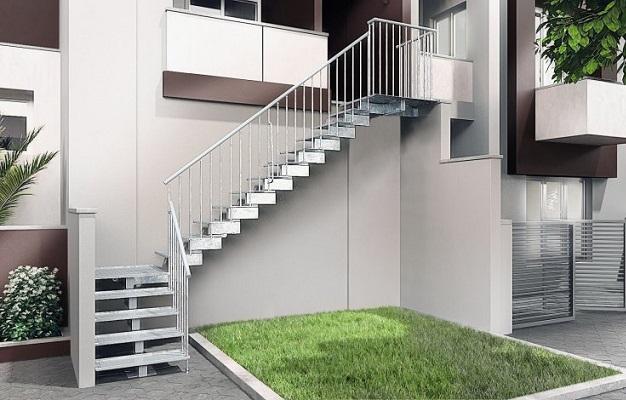
In modern residential projects, stair systems can do a lot more than connect one level to another. They can improve flow, make outdoor areas more accessible, support lofted storage or workspaces, and bring a cleaner architectural look to the property overall.
They also matter in practical settings. Detached garages, workshops, raised entries, split-level layouts, and secondary structures all benefit from better access planning. A well-designed staircase can make a space safer, more efficient, and easier to use every single day.
Here is where homeowners are seeing the biggest value:
- More stable access to elevated spaces
- Better use of vertical square footage
- Cleaner transitions between indoor and outdoor areas
- Improved durability in high-use areas
- A more custom and intentional finished look
When access points are treated as part of the overall strategy, the project immediately feels more complete.
Storage Spaces Are No Longer Just “Extra”
There was a time when a storage building was considered an afterthought. It was something people added later, often with minimal planning, just to get stuff out of the garage. That is not really how people are approaching it now.
In 2026, extra structures are being planned with much more purpose. Owners want them to be durable, efficient, and ready for real use. That might mean storing business equipment, housing tools and machinery, organizing supplies, protecting vehicles, or creating room for operational needs that no longer fit inside the main home.
The smartest projects are the ones that ask a simple question early: what is this space really going to do?
Once that is clear, everything gets easier. Size, layout, access, materials, workflow, and future flexibility can all be planned more intentionally. That usually leads to a better outcome than treating the structure like a generic add-on.
What Property Owners Are Looking for in 2026
Clients are more informed now, and honestly, that is a good thing. They are paying closer attention to how projects are designed and how contractors communicate. They are less interested in vague promises and more interested in clarity.
Most people want a contractor who can help them think through the full picture, not just the first visible step.
That includes things like:
- Understanding how an upgrade affects everyday use
- Planning for future needs, not just current ones
- Recommending materials that hold up over time
- Identifying layout issues before construction starts
- Creating a finished result that feels intentional, not pieced together
- Balancing utility with appearance
That last point matters more than a lot of people realize. Functional spaces do not have to look rough or unfinished. And residential properties do not need to sacrifice style just because a project is practical in nature.
The sweet spot is always the same: useful, durable, and visually aligned with the rest of the property.
The Real Value of a Contractor Who Understands Both Sides
Not every contractor is comfortable moving between residential comfort and utility-driven construction. Some teams are strong on interior remodels but not on structural add-ons or custom metal elements. Others understand functional structures but struggle with projects that need to feel polished and integrated with a home environment.
The real advantage comes from working with a team that understands both worlds. That means knowing how to keep a project visually grounded while still building for performance. It means understanding that a detached structure or upgraded access point has to do more than “work.” It should also feel like it belongs on the property.
This is especially important when projects include transitions between living space and work space, home use and storage use, or aesthetic goals and practical demands. Those are not opposite priorities. They just need to be planned together.
Why Custom Planning Beats One-Size-Fits-All Solutions
A lot of homeowners make the mistake of looking for the quickest off-the-shelf answer. Sometimes that works. But on properties with unique layouts, changing elevations, or evolving storage needs, a generic solution can create more frustration than convenience.
Custom planning tends to bring better long-term value because it responds to the site as it actually exists. It considers access, workflow, dimensions, future expansion, and how the structure or feature will be used in real life.
That might mean designing around the slope of the lot, the movement of equipment, the way the homeowner enters the space, or the need to keep things organized without wasting square footage.
These details matter because they shape how useful the finished project really is. A property owner may not think about circulation, load paths, clearance, or usability in technical terms, but they definitely notice when a space feels awkward. They notice when access is inconvenient. They notice when a structure works on paper but not in daily life.
That is why thoughtful planning matters so much. It creates spaces that feel natural to use.
What Makes a Project Feel Successful
A successful project usually has a few things in common. It solves the original problem, yes, but it also improves how the property functions overall. It gives the owner more flexibility. It feels durable. And it does not look like it was added in a rush.
In practical terms, that often comes down to:
- Clean design choices
- Strong material selection
- Useful layout planning
- Smooth circulation between spaces
- Real durability for everyday wear
- A finished result that feels connected to the property
When those pieces come together, the project adds value in more than one way. It improves use, appearance, and confidence in the property itself.
Final Thoughts
The way people use residential properties has changed, and construction priorities are changing with it. Owners want spaces that are more flexible, more durable, and more aligned with real everyday needs. They are thinking beyond cosmetic updates and focusing more on how a property can support work, storage, movement, and long-term functionality.
That is where thoughtful planning makes all the difference. A well-executed project can turn underused space into something genuinely valuable, improve access in ways that feel natural, and create structures that support both present needs and future plans.
For Rincon Iron Works LLC, that kind of work fits the moment perfectly. It is practical, adaptable, and built around the way people actually live now.