In 2026, speed is still a big deal in Texas construction, but speed by itself is not enough anymore. Owners want projects that move efficiently, stay organized, and make practical sense from day one. They are thinking about timelines, of course, but they are also thinking about site security, long-term flexibility, and how to expand without turning the whole property into a headache for months. That is exactly why the role of a commercial general contractor is shifting.
The conversation is no longer just about putting up a building and moving on. It is about creating smarter expansions that fit real operational needs while protecting the property, the people on site, and the investment behind the project. In a market as active as Texas, that kind of thinking matters. Businesses do not want unnecessary downtime. They do not want messy project flow. And they definitely do not want to solve one problem only to create three new ones during construction.
For Rincon Iron Works LLC, this trend opens the door to a very practical kind of value. Property owners are looking for teams that understand how to combine structural efficiency with custom metal solutions that support both function and security. It is a more complete way of thinking about expansion, and honestly, it makes a lot of sense.
Why Expansions Are Becoming More Strategic
Not every company wants a brand-new facility from the ground up. In many cases, expanding an existing site is the smarter move. Maybe the business has outgrown its current footprint. Maybe it needs more covered space for equipment, storage, operations, or workflow. Maybe the location is already working well, and relocating would create more disruption than it solves. That is why expansions are becoming such an important part of the construction conversation in Texas.
They give owners a way to build around what is already working. Instead of starting over, they can add capacity, improve circulation, and create room for growth without losing the value of the site they already have. That sounds simple on paper, but in practice, it takes careful coordination. A successful expansion has to feel like part of the property, not like an awkward add-on that was rushed into place. This is where planning really starts to matter.
Why Pre-Engineered Systems Are Getting More Attention
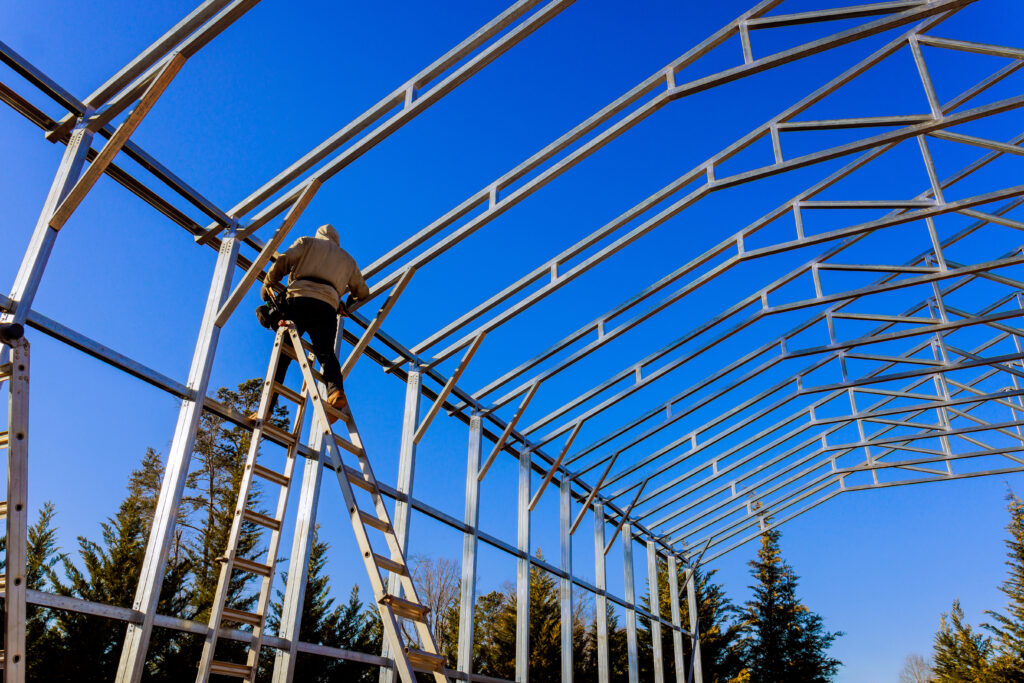
There is a reason more project teams are leaning toward metal building construction for expansions in 2026. It gives them a cleaner path forward.
Pre-engineered systems can simplify a lot of the complexity that usually slows projects down. They support faster installation, more predictable coordination, and a better overall rhythm from fabrication to field work. That does not mean every expansion is automatically easy, because no real project works that way. But it does mean the structure itself can be approached with more clarity and fewer surprises.
For owners, that has obvious appeal. They want a process that feels under control. They want a realistic schedule. They want an expansion that can support actual daily use without dragging the property into a long period of chaos.
These systems also work well for the kinds of spaces many Texas businesses need right now, including:
- Equipment storage areas
- Service bays
- Workshops
- Covered operational zones
- Inventory expansion space
- Utility-focused additions
- Mixed-use commercial structures
The beauty of this approach is that it is practical. It is not about chasing trends for the sake of sounding modern. It is about choosing a system that helps the project move with fewer complications.
Why Site Access Is Part of the Expansion Strategy
One thing that gets overlooked way too often is access.
A lot of owners focus on the structure first, which makes sense, but secure access can be just as important as the building itself. Once a site expands, traffic patterns often change. Entry and exit points may need to be redefined. Equipment movement might increase. Deliveries may become more frequent. And if the property handles materials, vehicles, tools, or commercial operations, security quickly becomes part of the bigger construction picture. That is why custom metal gates and fences are being treated less like optional extras and more like core site features.
They help control movement, improve perimeter definition, support daily operations, and create a more finished look for the property overall. Just as important, they can be designed to match the logic of the site instead of being dropped in as a last-minute solution. That makes a huge difference. A well-planned gate or fence system feels integrated. A rushed one usually feels like the project forgot something important until the very end.
Owners Want More Than Basic Execution
Clients are more informed than they used to be, and you can really see that in the way they approach projects now. They ask better questions. They pay attention to how teams communicate. They notice when a contractor is thinking ahead and when someone is just reacting as problems show up.That is where professional construction services really prove their value.
Today, good service is not just about doing the work. It is about helping the owner understand the flow of the project, identifying pressure points early, and making sure each decision supports the next phase. That matters even more with expansions, because the project is rarely happening on a blank slate. Existing operations, site constraints, and future growth all have to be part of the conversation.
A strong construction partner usually brings a few things to the table right away:
- Clear communication from the first conversation
- Honest expectations about schedule and scope
- Practical ideas, not vague sales language
- Attention to site-specific needs
- Coordination between structure, access, and function
- A process that feels organized instead of reactive
That last part is huge. Owners can tell when a team has real structure behind the scenes. It shows up in the planning, in the questions they ask, and in how confidently they move through details that might overwhelm a less experienced crew.
Why Security and Speed Work Better Together
Some people assume that adding security features slows a project down or complicates the build. In reality, the opposite is often true when those features are planned early.
When secure access is considered part of the expansion from the beginning, the layout tends to work better. Traffic paths make more sense. Exterior flow becomes easier to manage. The property feels more intentional, and the team can build around a clear operational purpose instead of trying to retrofit security after everything else is already in place.
That kind of planning helps in several ways:
- It reduces rework later
- It supports smoother site organization
- It improves day-to-day usability once the project is complete
- It helps define the property more clearly
- It creates a stronger balance between openness and control
This is one of the biggest reasons owners are prioritizing both structure and access at the same time. It is not about overbuilding. It is about avoiding disconnected decision-making.
What Smart Contractors Are Paying Attention To in 2026
The strongest teams right now are the ones paying attention to what actually causes friction on a project. It is not always the big obvious things. A lot of delays and frustrations come from poor sequencing, unclear access planning, weak coordination, or treating custom elements like an afterthought.
The contractors standing out in Texas understand that an expansion is not just extra square footage. It is a system. The structure, the site layout, the circulation, and the perimeter all need to support each other.
That is why pre-engineered additions and secure access solutions pair so well together. One supports efficiency in the build. The other supports function once the space is in use. Together, they create a much smoother outcome for the owner.
And that is really the whole point. Businesses are not looking for construction that feels impressive only on paper. They want something useful. Something durable. Something that makes operations easier instead of more complicated.
Final Thoughts
The push toward smarter commercial expansion in Texas is not hard to understand. Owners want room to grow, but they also want control, efficiency, and a property that works better the moment the job is done.
That is why this approach keeps gaining momentum. A well-planned addition can support future growth without dragging the business into unnecessary disruption, and secure access features can make that same property feel more complete, more functional, and more prepared for real daily use.
For Rincon Iron Works LLC, this is exactly the kind of work that matters right now. It is practical, strategic, and built around what clients actually need: solid planning, efficient execution, and results that make sense long after the construction phase is over.